

電子報內容



ICT programs reduce digital divide
|
|
|

As the Organization of Economic Cooperation and Development (OECD) points out, there is a growing digital divide among the countries of the world. The World Summit on the Information Society (WSIS), held in 2003 and 2005,also noted this problem and made ICT issue one of its priorities. In espousing the bridging of the digital divide as one of its core principles, the WSIS came up with declarations favoring an information society for all, access to information and knowledge, and ICT capacity building.
For upcoming international cooperation programs, the WSIS called on governments, international organizations, non-governmental organizations, and the private sector to focus on reducing inequality in the distribution of digital technology, and boosting the ICT capabilities of developing countries.
The capability to access and process information is now regarded as essential for any country planning to enter the era of knowledge economy. As Taiwan's premier international cooperation and development organization, the TaiwanICDF has been focusing on ICT programs in order to help narrow the gap in technology between developed and developing nations.
“So far, the TaiwanICDF has carried out 33 ICT-for-development programs in 22 countries,”said Chen Cheng-chung, secretary general of the TaiwanICDF, adding that, over the years, the organization's operations in this area had contributed toward alleviating poverty, fostering economic growth and improving government efficiency through capacity building.
|
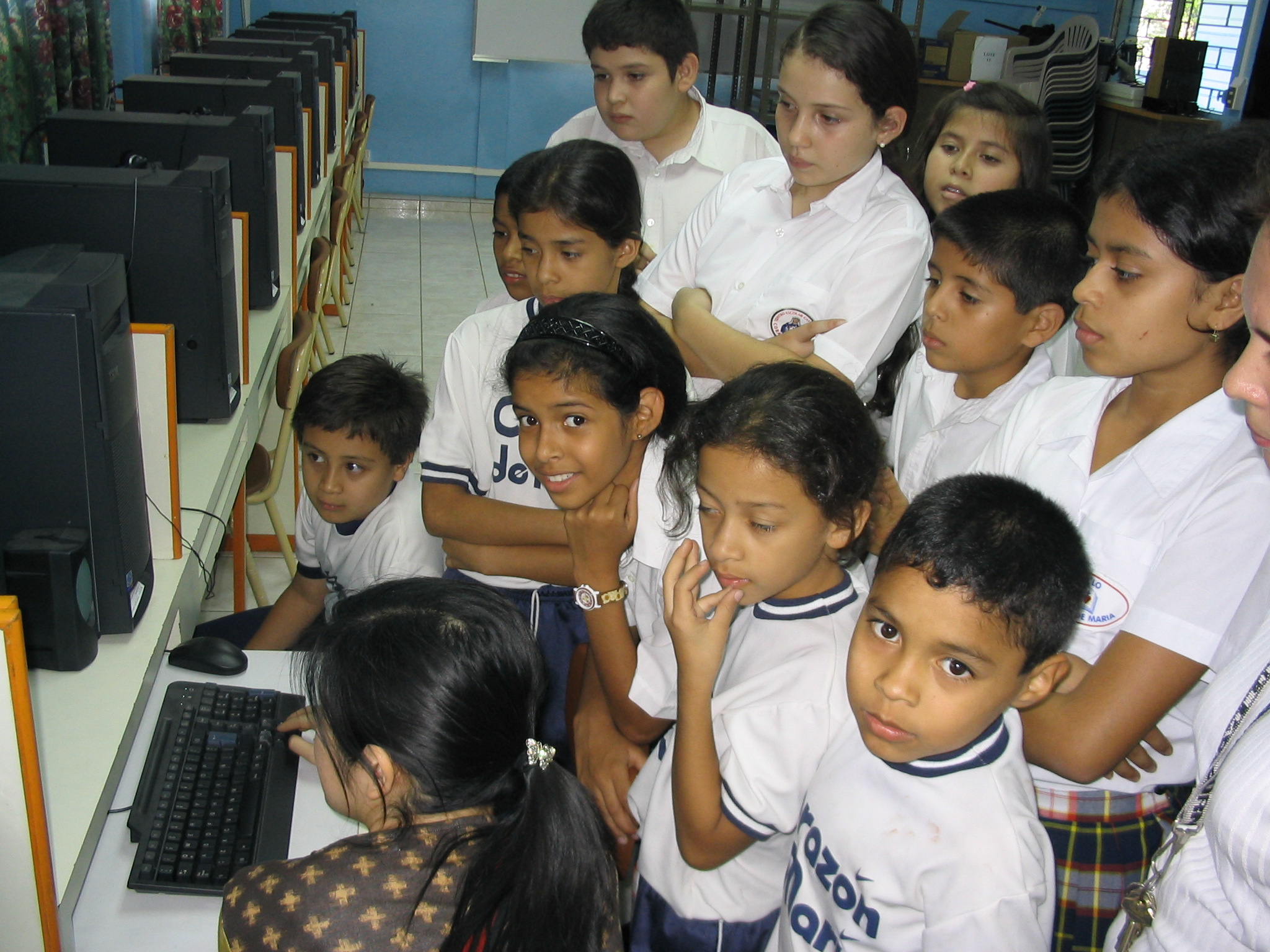
Assisting the World with self-sustainment
ICT programs help establish structures that make a difference: capacity building empowers developing countries to sustain themselves step by step.
World Bank reports have indicated that advances in ICT can bring about significant changes. Assistance in upgrading ICT capabilities addresses the need of developing countries to effect a transformation in economic conditions.
Once there is improvement in a country's ICT levels,a genuine impact is made in the public sector, where government accountability and efficiency can be improved. Meanwhile, corresponding advances can be seen in the private sector, with productivity and profit increased, and markets expanded, sparking economic growth. Moreover, individuals are able to aspire to a better quality of life through access to computers and the Internet, by acquiring learning and professional skills.
Backed by a solid industry
When initiating and undertaking projects, the TaiwanICDF works from the strong foundation of Taiwan's outstanding ICT industry.
Taiwan ranks fifth in the world in terms of Internet penetration and is No.1 in cellular phone subscription. As for hardware and software, Taiwanese companies carry out more than 50 percent of global infrastructure production of integrated circuits, and flat panel displays. Thus Taiwan has a proven track record in ICT development, and its ICT industry has become a powerful support mechanism for the TaiwanICDF in its development programs.
In 2000 the United Nations announced its Millennium Development Goals, which included several specific targets that espoused the use of ICT as a tool for reducing poverty. The TaiwanICDF formulates its ICT strategy in accordance with these aims, which stress adapting and expanding ICT use, as well as the benefits of doing so. The three areas emphasized are: e-government, e-education, and e-business.
|
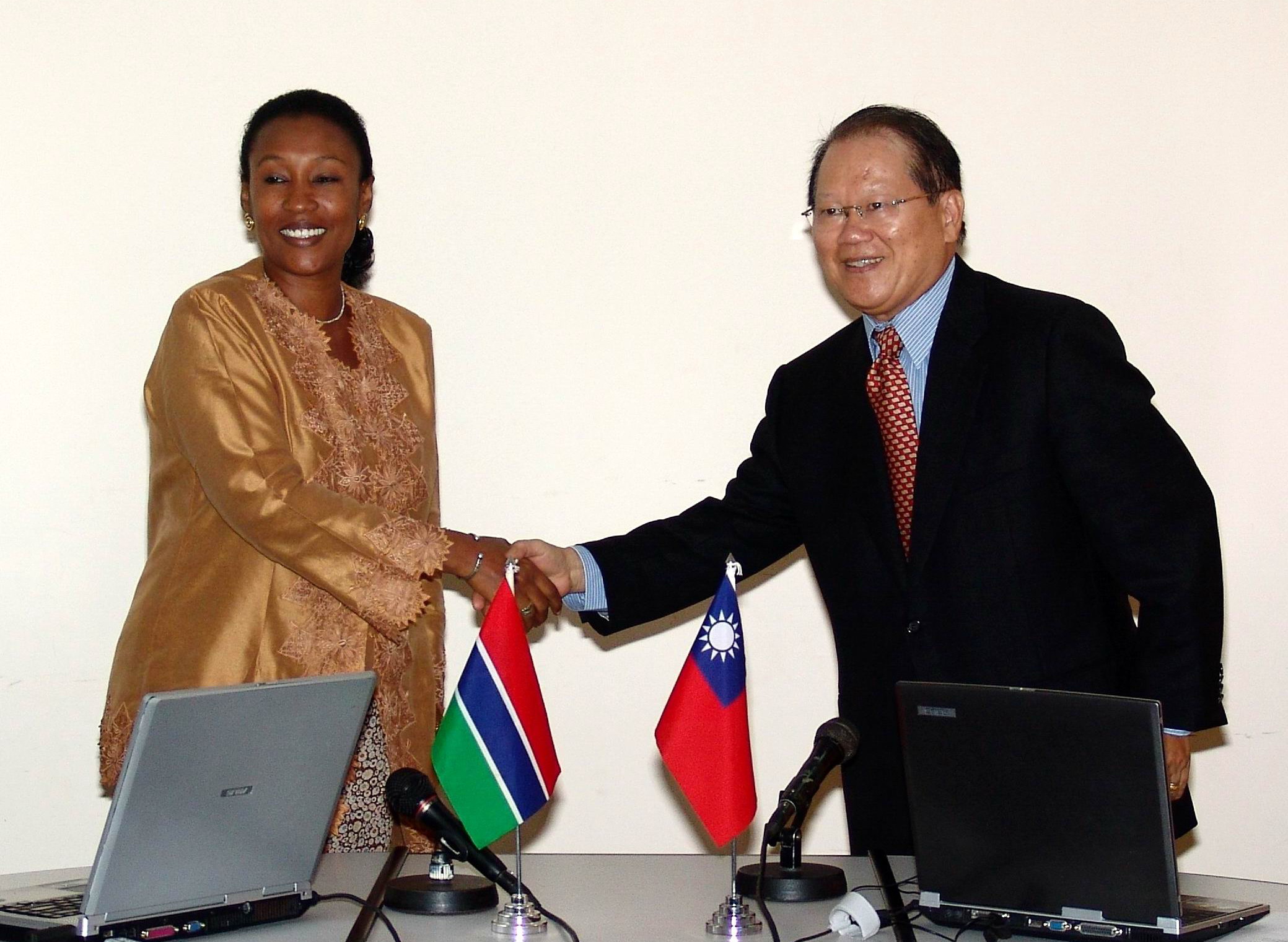
An ICT hub in West Africa
In Africa, The Gambia is proceeding with a project, which aims to turn the country into a hub for ICT development in West Africa. To help achieve this vision, the TaiwanICDF cooperates with the country to establish e-government programs.
In 2006, the TaiwanICDF assisted the Gambian government in Web site design, and added data from agricultural surveys to government Web pages. These efforts are helping not only to increase government efficiency and transparency, but also to facilitate participation and access to information by the public. Overall, ICT is assisting the Gambian government with administration and decentralization, while creating the conditions for citizen empowerment.
The TaiwanICDF, with its abundant experience in development cooperation, is proving a committed partner for The Gambia, putting Africa's smallest mainland nation well on its way to its vision of becoming a regional ICT hub.
A wireless e-center for Swaziland
In almost every country where the TaiwanICDF implements ICT projects, computers, wireless technology, and network equipment have proved to be completely new experiences to local people.
In Swaziland, the TaiwanICDF built a wireless e-center -- the first one in the country. Before the establishment of the center, five communities and ten high schools received computers and equipment from the TaiwanICDF. However, few had any experience with digital technology. Almost 95% of the teachers and students participating in the ICT training programs said they had never used a computer or the Internet.
To solve this problem, ICT workshops were implemented to introduce a whole new digital world to locals. During summer and winter vacations, computer instruction sessions were organized especially for high school teachers. The classes taught them a variety of skills such as mouse and keyboard operation, the utilization of office software, and how to surf the Net for information.
Qonda Kenneth Mazibuko, a high school teacher, said:“I am so eager and hungry for more knowledge about. I don't want to go back to a life of isolation without a computer. I want to come back to class as soon as I can.”
The members of TaiwanICDF team were equally enthusiastic about their work in the kingdom.“We were the first to bring a wireless center to Swaziland and we assisted the people of Swaziland in taking the first steps toward the sustainable build-up of an interconnected information society.”commented one.
|
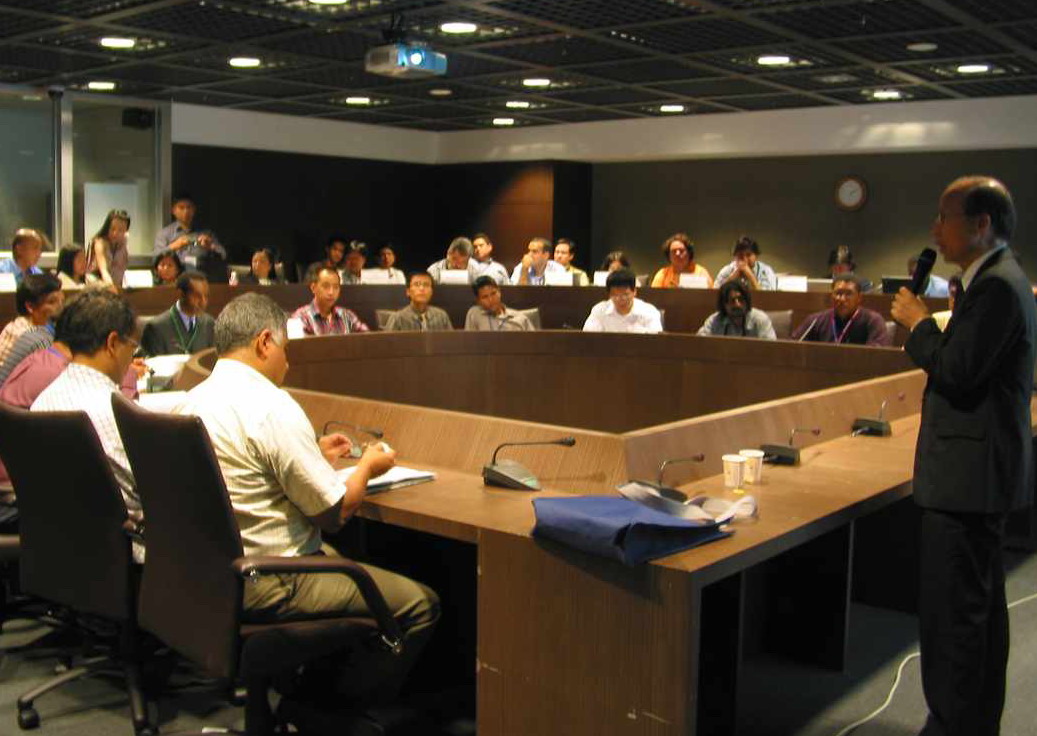
ADOC project boosts ICT application in business
In 2005, Taiwan, as a member of APEC, initiated the APEC Digital Opportunities Center (ADOC) project. This was a response to APEC's call for an increase in the utilization of the Internet and computers to spur economic growth and enhance people's livelihoods in the current era of globalization. The TaiwanICDF offers training courses and bolsters ICT infrastructure in its partner member economies (PMEs): Vietnam, the Philippines, Indonesia, Peru, Chile, and Papua New Guinea.
In 2006, the TaiwanICDF was commissioned to implement ADOC project, setting up 14 e-centers in PMEs, with over 15,000 people have received training under the project. In addition, the TaiwanICDF also invited 60 experts and 114 representatives from the governments and private sectors of APEC nations to Taiwan to participate in e-Businesss Entrepreneurship workshops and Trainers' Training. Experts were also dispatched to PMEs to share their experience and instruct staff in how to promote e-business. Moreover, the TaiwanICDF also held ICT Road Shows in PMEs to increase interaction among ICT businesses in the APEC region.
Through the ADOC program, Taiwan and its fellow APEC members are weaving a network, which enhances the sharing of information on business management, industry cooperation, and trade to turn the digital divide into digital opportunities .
TICTA operates projects involving all sectors
With years of efforts and experience in international ICT cooperation, the TaiwanICDF established the Taiwan Information and Communication Technology Alliance (TICTA) in May this year. Members come from government, business and academia and include the Taiwan Linux Consortium, Taiwan Institute of Economic Research, Industrial Technology Research Institute, Information Service Industry Association (CISA), Taipei Computer Association, National Tsing Hua University, and National Sun Yat-Sen University.
With the TaiwanICDF as a platform, TICTA members are joining hands to integrate resources for efficient and effective ICT-for-development projects in the future. ICT programs in modern society are geared toward upgrading government efficiency, business competitiveness, education and health care services. The TaiwanICDF also expects to extend its programs further to cover such areas as e-health for poor residents in remote areas.
With the provision of international assistance as its core mission, the TaiwanICDF acts on behalf of Taiwan, using its experience to assist international allies in their drive to advance down the path of self-sufficiency and prosperity.
- Update: 2022/05/11
- Hits:1405