

News



TaiwanICDF WHA Side Forum—Data Empowerment for Collective Good
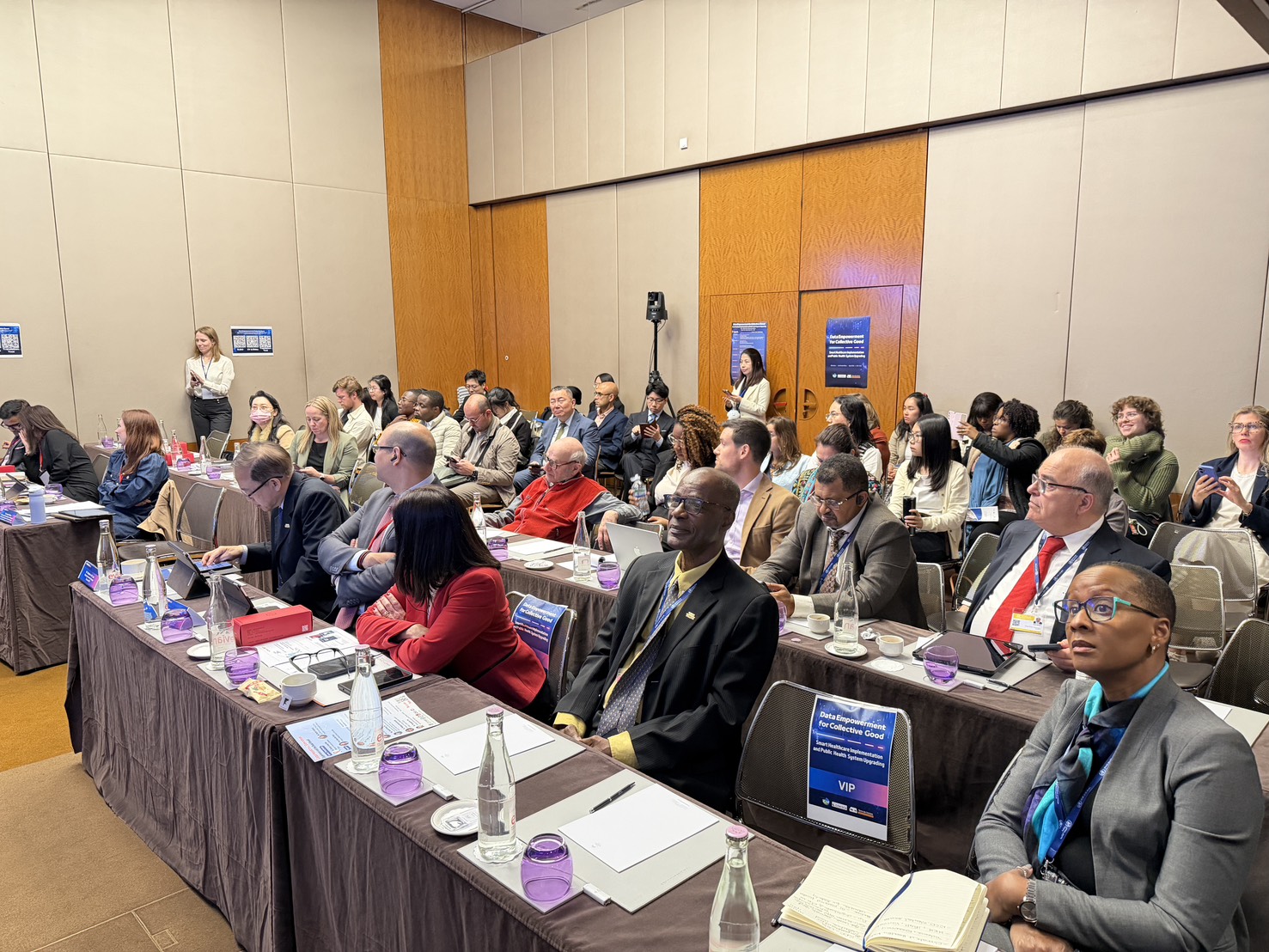
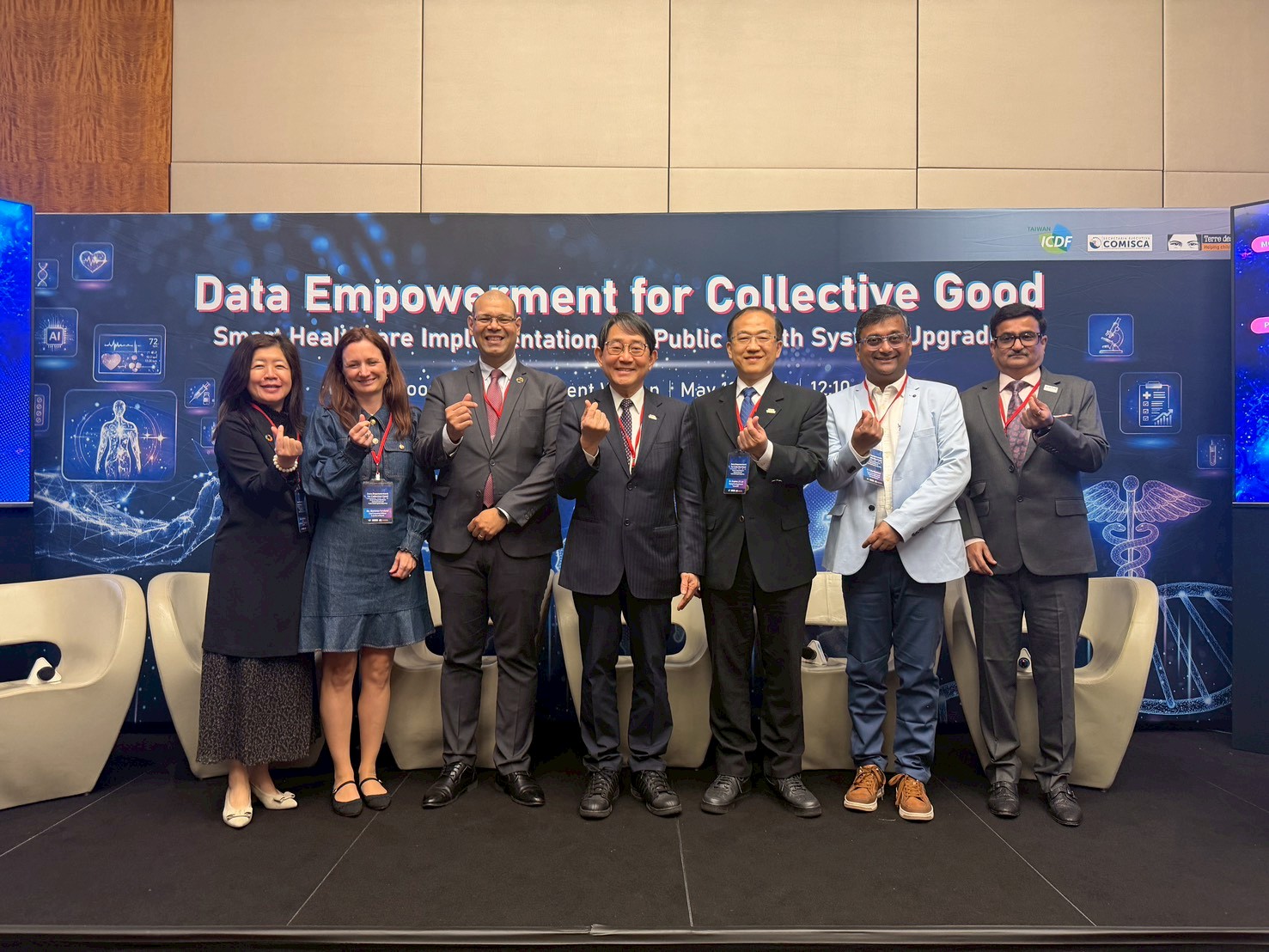
On May 19 (Swiss time), the International Cooperation and Development Fund (TaiwanICDF) collaborated with the Central American Integration System (SICA) and Terre des hommes (Tdh) to host an international forum titled "Data Empowerment for Collective Good: Smart Healthcare Implementation and Public Health System Upgrading" at the Hotel President Wilson in Geneva, Switzerland. The event successfully attracted approximately 70 professionals from the public, private, academic, and research sectors across nations including Japan, Belgium, the Dominican Republic, the United Arab Emirates, the Netherlands, the United States, Switzerland, and Italy, to collectively explore pivotal issues such as smart healthcare, digital health governance, and public health system upgrading.
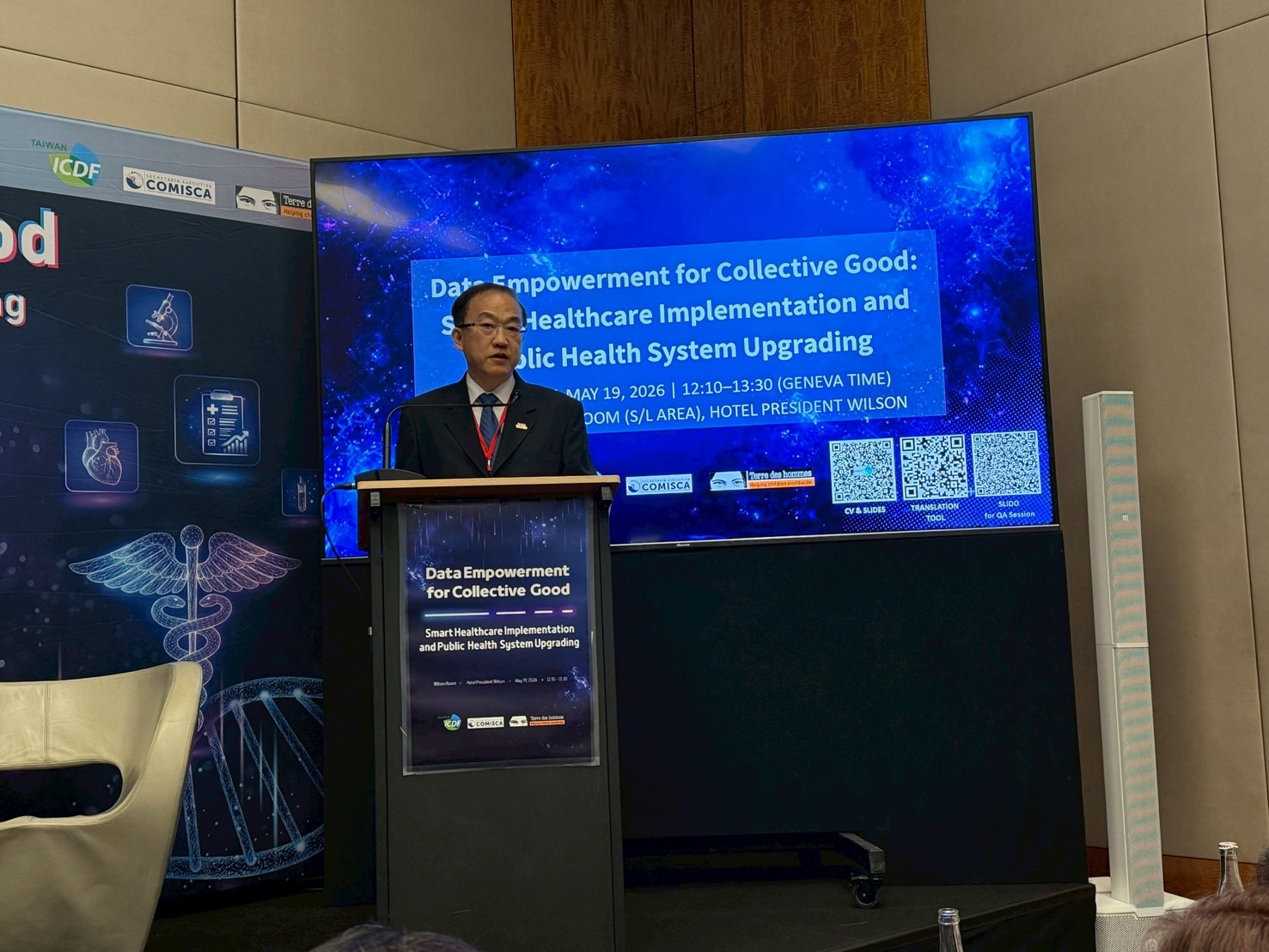
The forum was moderated by Dr. Hung-Yi Chiou, Director of the Institute of Population Health Sciences at the National Health Research Institutes (NHRI) of Taiwan and Board Member of the TaiwanICDF. Opening remarks were delivered by Mr. Stephen J.H.Lee, Deputy Secretary General of the TaiwanICDF, and Mr. José Renán De León Cáceres, Executive Secretary of the Executive Secretariat of the Council of Ministers of Health of Central America and the Dominican Republic (SE-COMISCA). Both parties emphasized that the evolution of digital health should transcend mere technological application and remain anchored in a "people-centered" core, fostering more resilient, inclusive, and interconnected healthcare systems through transnational cooperation and knowledge exchange.
For the keynote session, Ms. Mathilde Forslund, Executive Director of Transform Health, delivered a presentation titled "Data Governance: From Algorithms to Decisions, Activating the Invisible Revolution in Smart Public Health Governance." She noted that the crux of smart public health and digital health development lies not only in AI and data technologies but also in establishing an equitable, transparent, trustworthy, and accountable data governance framework, enabling health data to genuinely translate into public decisions that benefit the population.
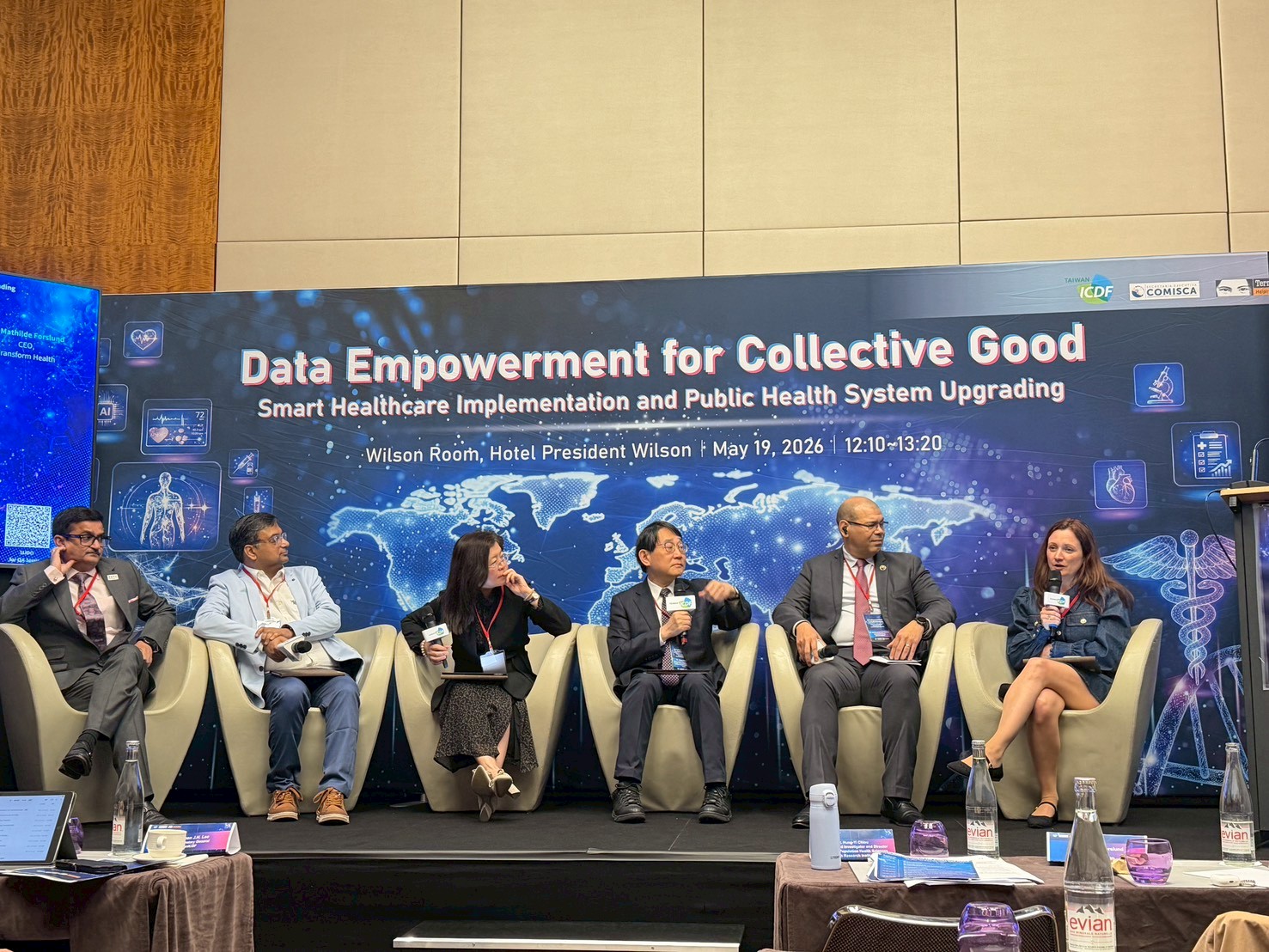
During the panel discussion, multiple speakers shared their expertise in implementing smart healthcare. Mr. José Renán De León Cáceres, Executive Secretary of SE-COMISCA, elaborated on how Central America and the Dominican Republic drive regional digital health governance and real-time public health response capabilities through cross-border collaboration, AI tool development, and data interoperability. Mr. Kallol Mukherji, Deputy Director of the Digital Health Programme at Tdh, focused his presentation on rights-based data empowerment and methods to bridge equity gaps during the digital transformation of smart healthcare. Mr. Sameer Kanwar, Director of Digital Health and AI at PATH, shared experiences in executing smart healthcare initiatives across Indonesia, India, Africa, and Pacific Island countries, underscoring that smart healthcare necessitates a comprehensive digital health ecosystem. This ecosystem must encompass infrastructure, regulatory systems, capacity building, public-private partnerships (PPPs), and sustainable government ownership to amplify long-term impact.
Ms. Cathy Wang, Director of the Humanitarian Assistance Department at the TaiwanICDF, also shared the organization's experience in establishing and integrating digital health systems in resource-limited countries. She stated that digital health transformation requires holistic integration from the policy level to medical institutions and individual citizens. By aligning international standards with local needs, grounded in accurate data and a people-centered ethos, healthcare efficiency, accessibility, and public health resilience can be significantly enhanced.
Participating experts unanimously agreed that when confronting challenges such as AI deployment and data privacy, nations must continuously review existing regulations, identify institutional gaps, and establish public trust in data utilization and protection through cross-sectoral collaboration, public-private partnerships, and localized, cost-effective solutions to drive the sustainable development of smart healthcare and digital health.
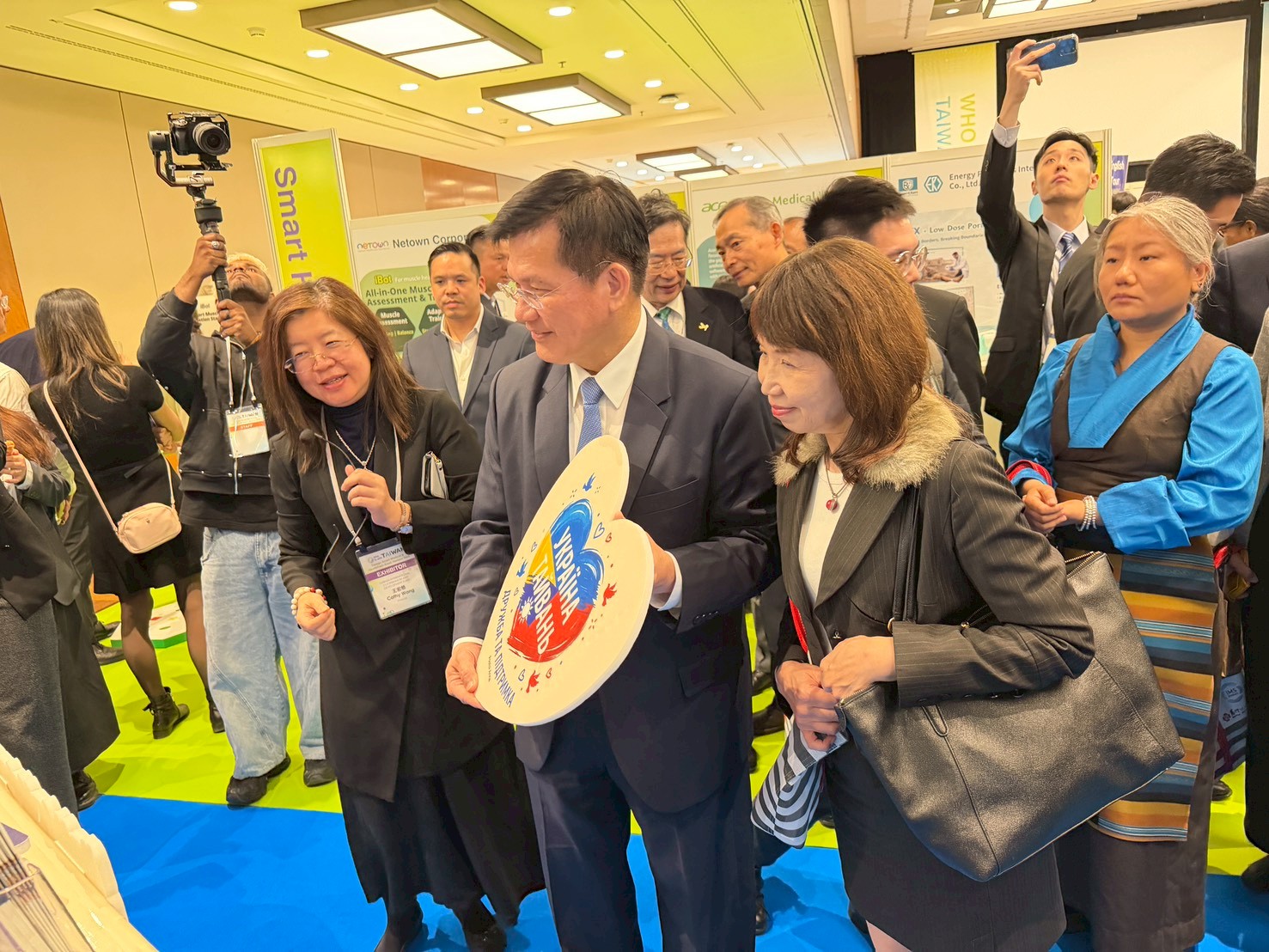
Furthermore, during the WHA period, the TaiwanICDF participated in the "Taiwan Smart Medical & HealthTech Expo" organized by the Ministry of Foreign Affairs (MOFA) of Taiwan. Through diverse and vibrant exhibits, the pavilion attracted friends from international organizations and institutions, including the WHO, GAVI, and Medical Impact. The enthusiastic on-site interactions fully demonstrated Taiwan’s capabilities and contributions in leveraging digital technology to advance global health and well-being.
Moving forward, the TaiwanICDF will continue to uphold the spirit of "Who Cares? Taiwan Cares." By combining Taiwan's expertise in medical care, public health, ICT, and international cooperation, the TaiwanICDF aims to work hand-in-hand with partner countries to promote people-centered, data-driven, and sustainable smart healthcare, thereby enhancing service accessibility and health resilience.
Related Pictures
- Update: 2026/05/20
- Hits:860