

News



TaiwanICDF Hosts Development Focus Forum — Filipino Professor Praises Taiwan’s Demonstration Farms
Press Release Date: December 17, 2025
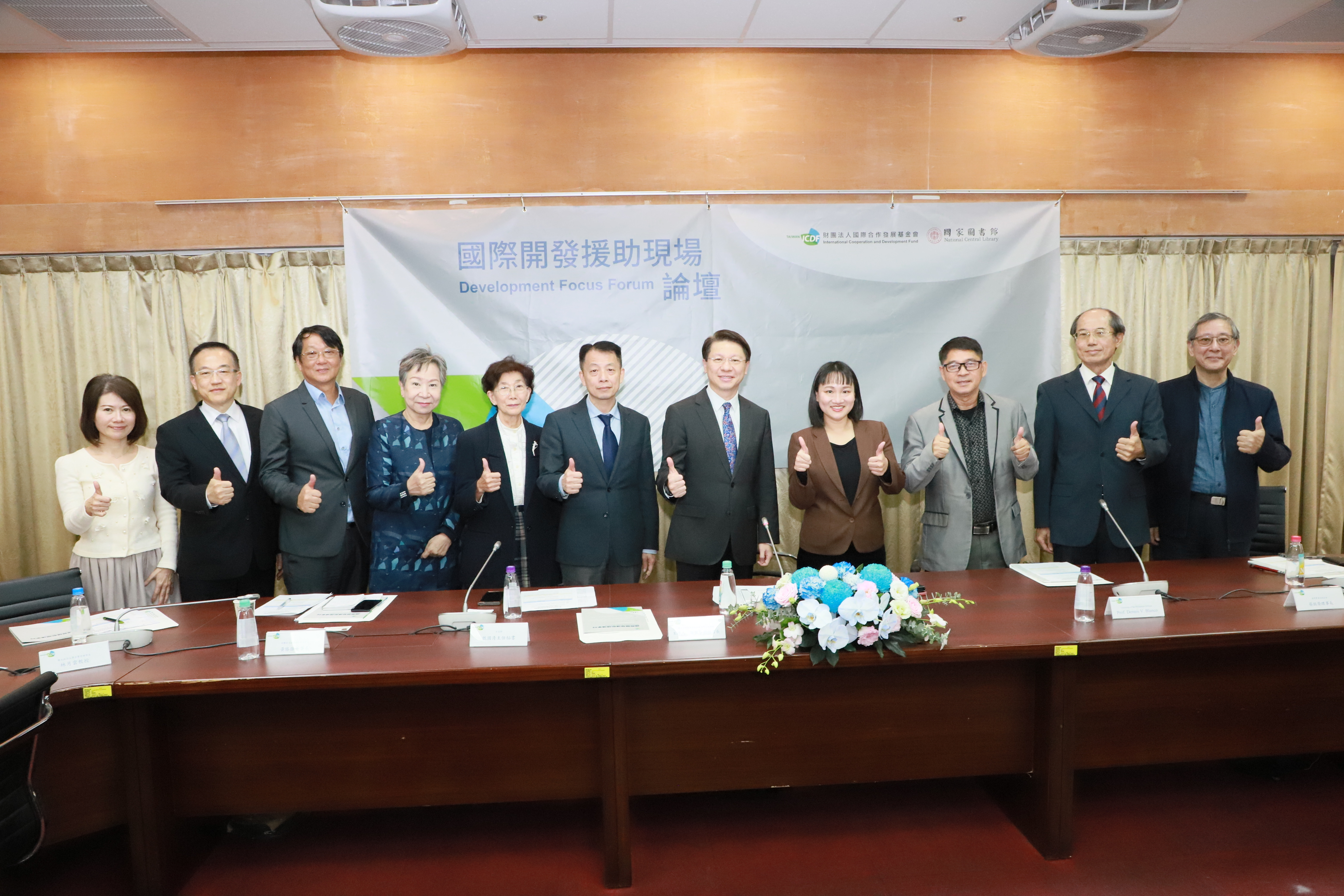
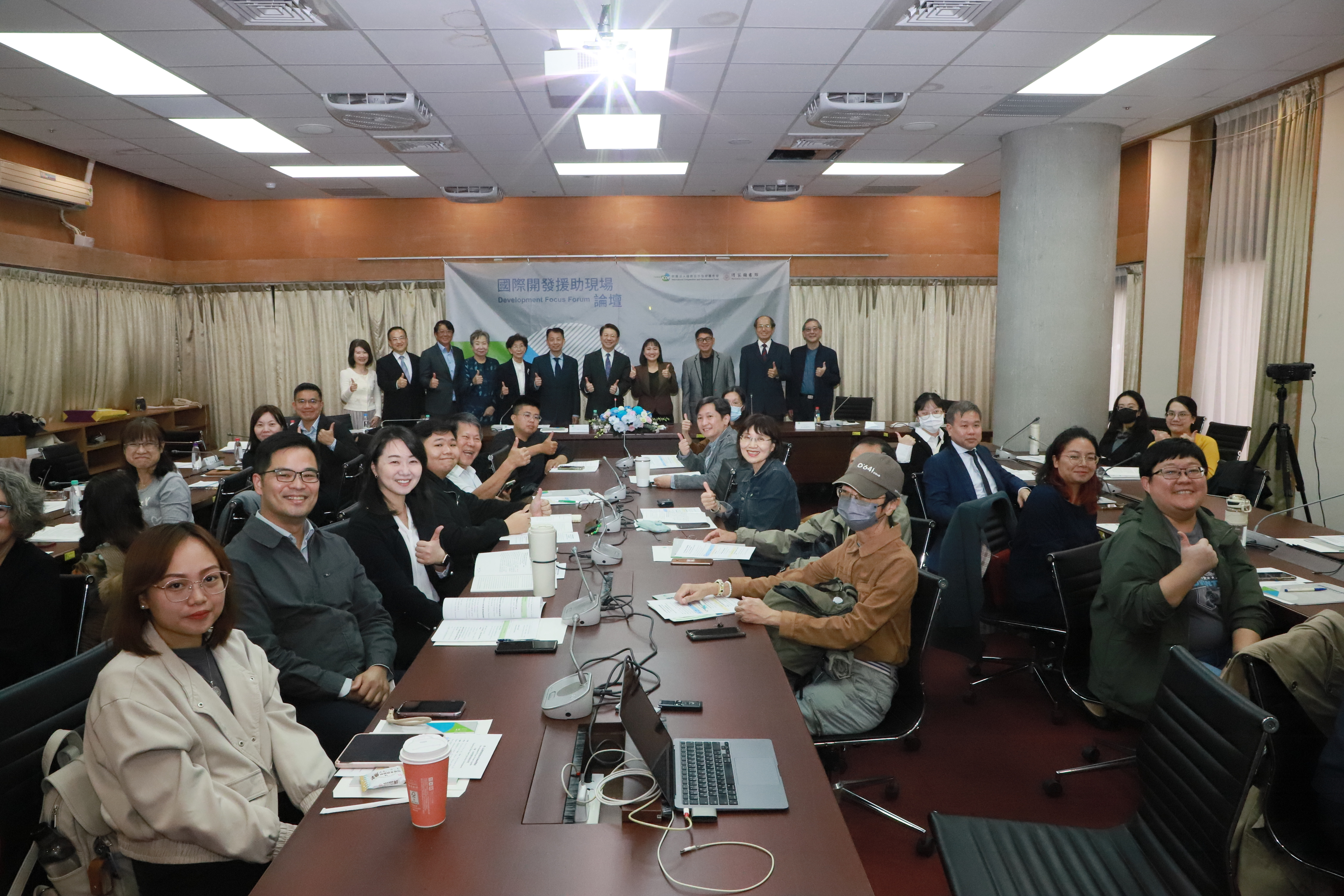
The International Cooperation and Development Fund (TaiwanICDF) held the third Development Focus Forum this afternoon (28th) at the National Central Library. The event was organized in conjunction with the 21st issue of the quarterly journal Development Focus Quarterly, focusing on “Exploring Global Developments in Smart Agriculture.” Key topics included AI-driven sustainable agriculture, production resilience, transformation of agricultural value chains, and international cooperation. The forum was hosted by Peifen Hsieh, Deputy Secretary General of TaiwanICDF and Editor-in-Chief of Development Focus Quarterly, and attracted nearly 60 experts from government, academia, and industry, both domestic and international.
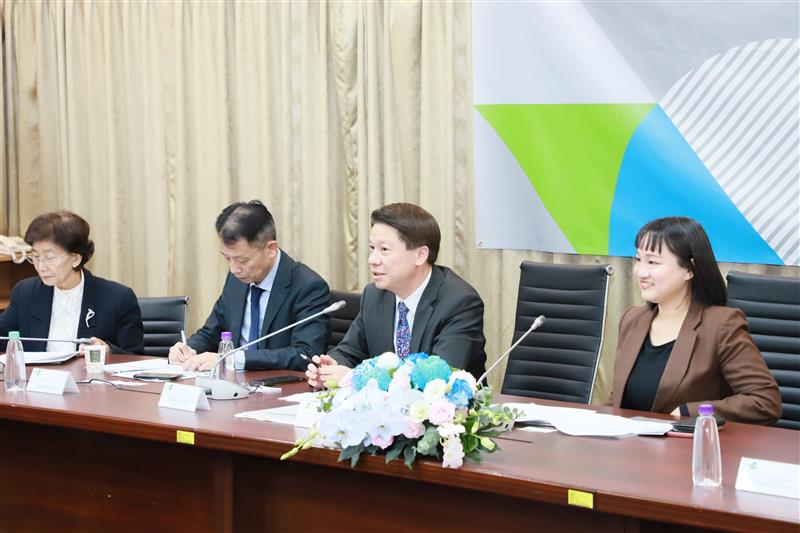
In his opening remarks, Ministry of Foreign Affairs Secretary General Daniel Kuo-ching Chen said that in the face of global challenges such as climate change, food security, and declining rural labor, smart agriculture is a key force in promoting sustainable food systems. He praised the TaiwanICDF’s smart agriculture demonstration zones in allied and partner countries, which address local needs through co-creation strategies that integrate technology, institutional innovation, and talent development—highlighting Taiwan’s tangible contributions to sustainable agriculture through international cooperation.
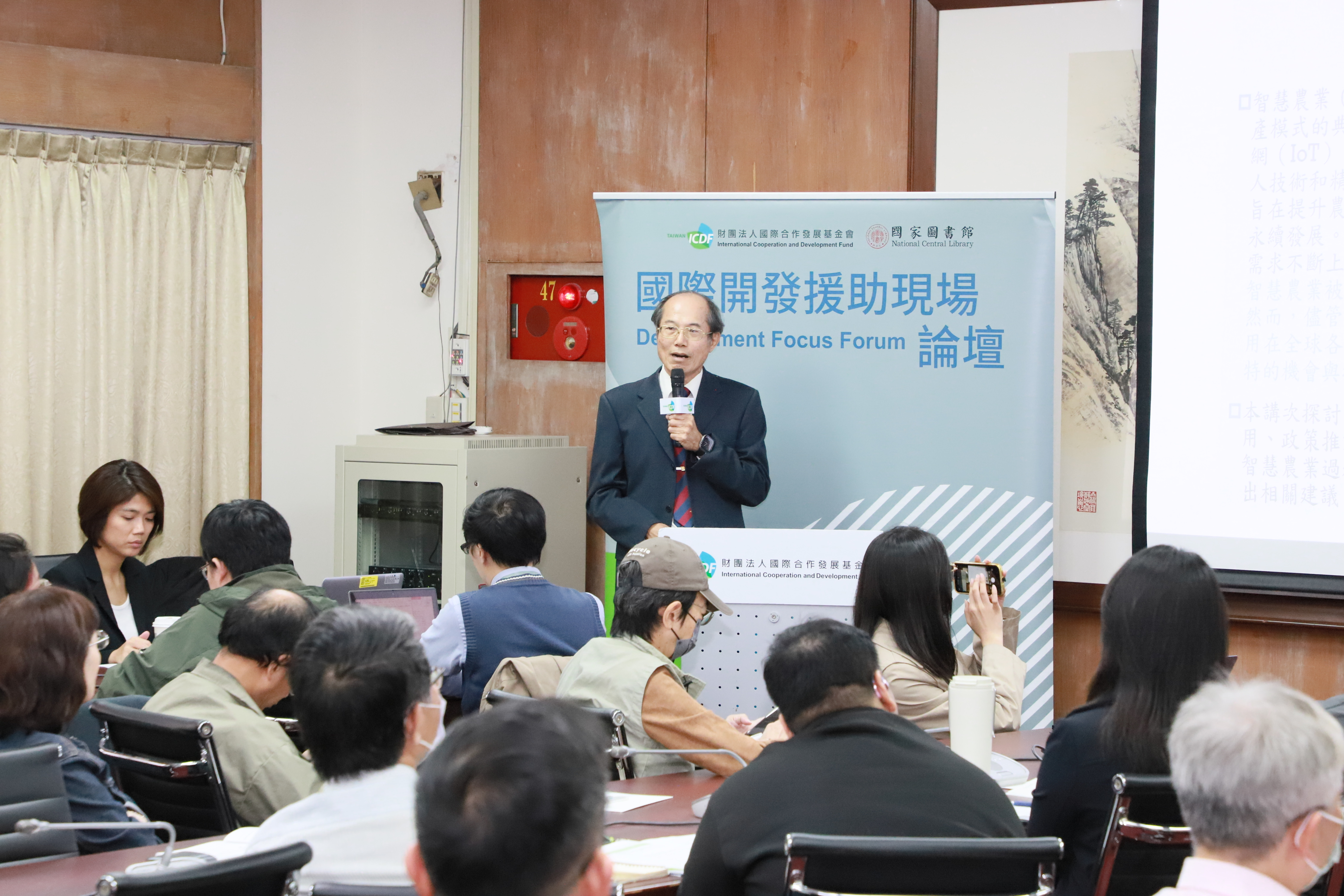
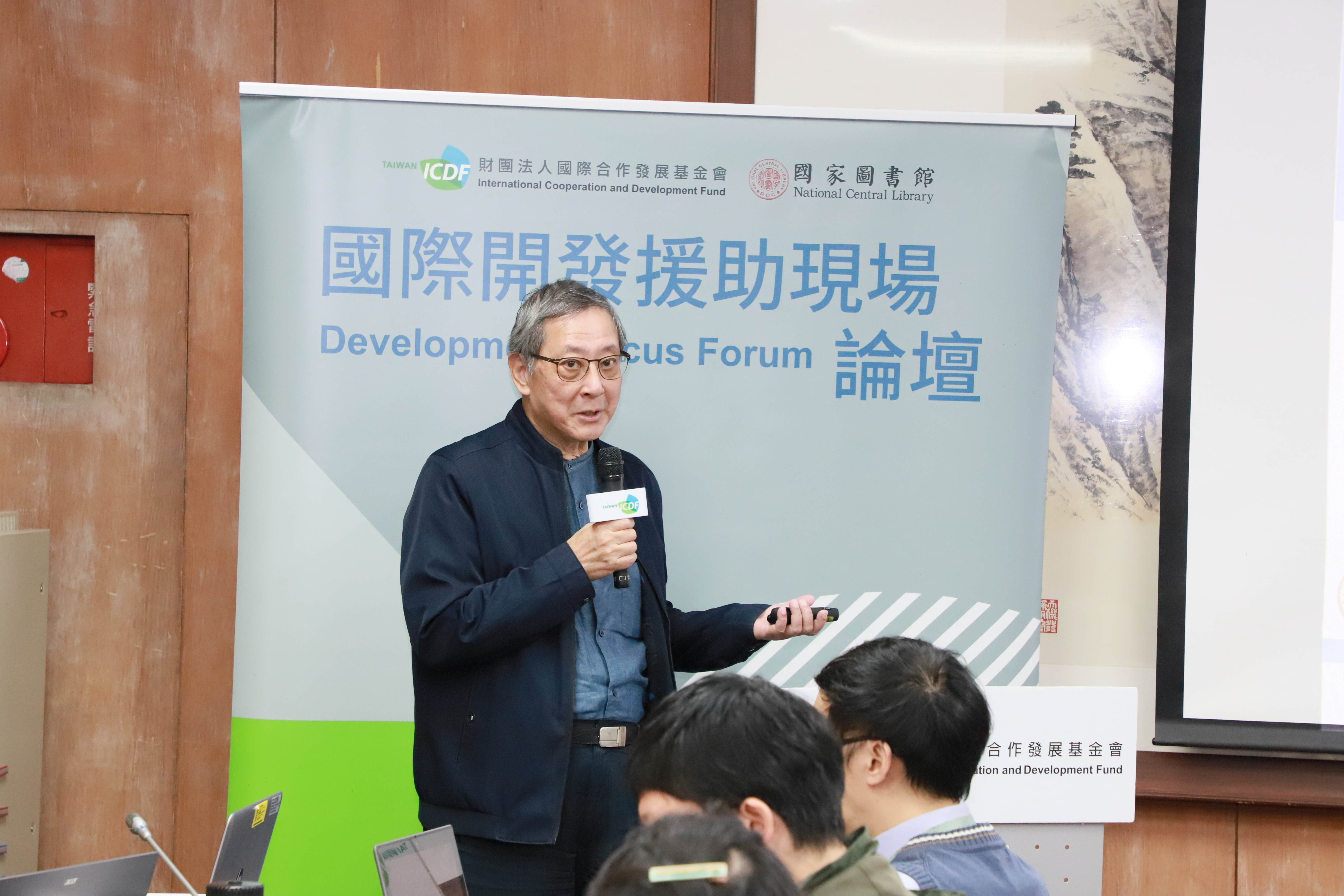
The keynote address was delivered by Professor Dennis V. Blanco of the Department of Political Science at the University of the Philippines Diliman, a visiting scholar under the Taiwan Fellowship Program. His talk, titled “Convergence of Global Smart Agriculture and Sustainable Development: A Policy Capacity Perspective,” emphasized that global smart agriculture is shifting from a technology-driven to a governance-oriented approach. True sustainability, he argued, lies not just in AI or sensors, but in enhancing policy capacity, institutional reform, and cross-sector collaboration. He cited the TaiwanICDF’s demonstration farms in the Philippines as exemplary models in smart cultivation, data management, and local talent development—worthy of emulation by other countries.
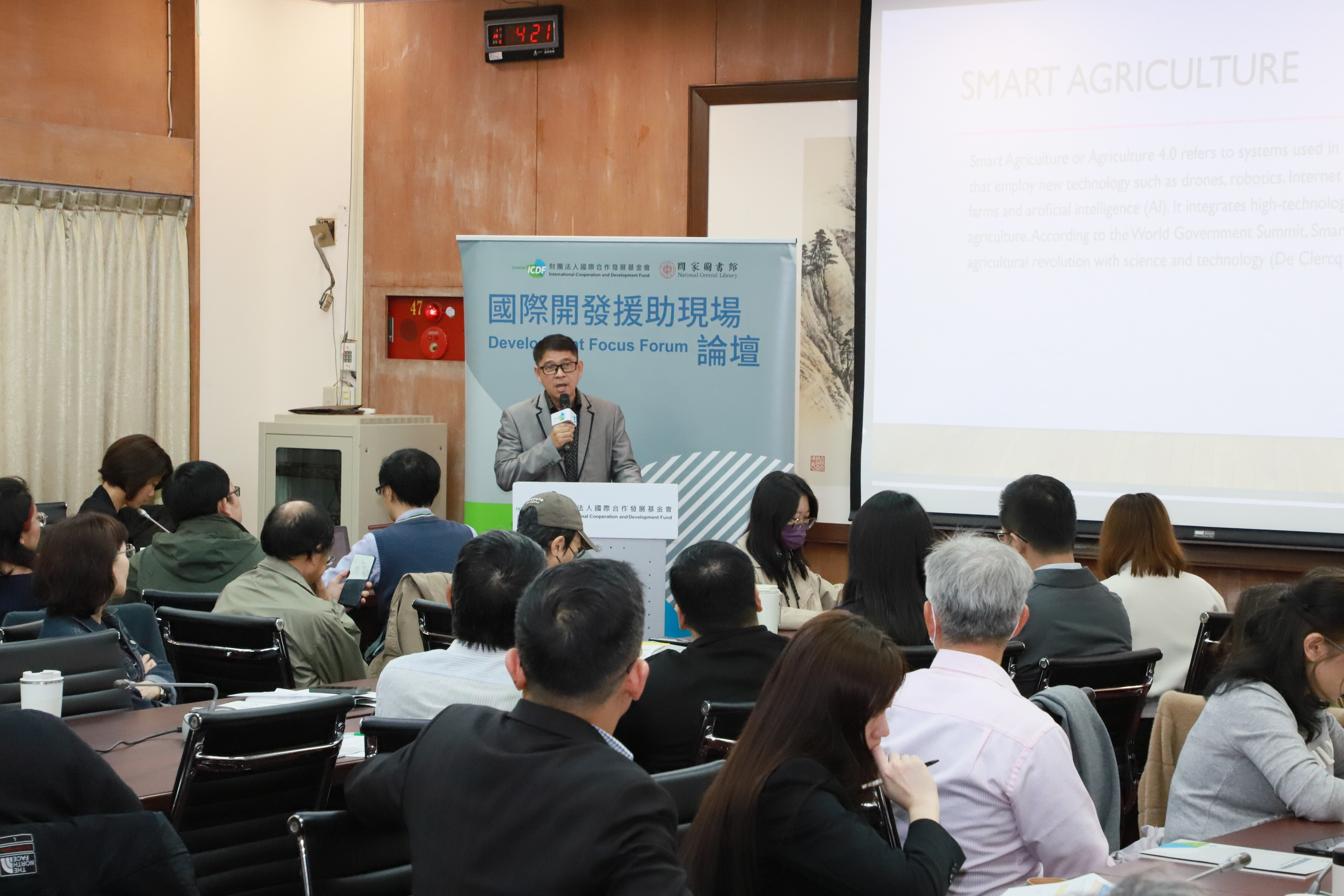
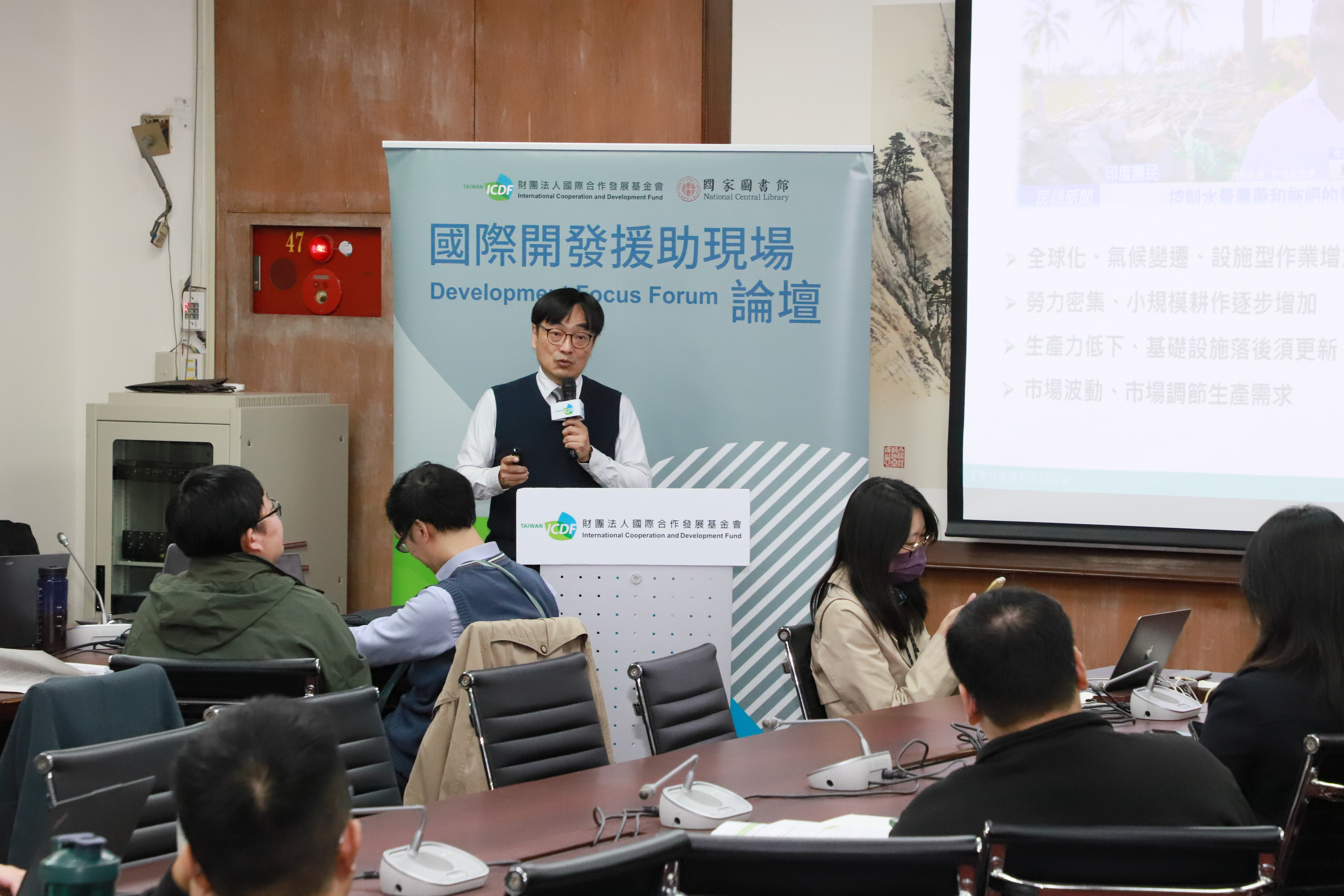
The first session, “Emerging Trends in Global Smart Agriculture,” featured Chih-Jung Tsai, President of the Taiwan Agricultural Structures Association, and Ta-Te Lin, Distinguished Professor in the Department of Bio-Industrial Mechatronics Engineering at National Taiwan University. Tsai pointed out that smart agriculture offers developing countries a chance to leapfrog, but challenges such as inadequate infrastructure and talent shortages remain. Lin analyzed how IoT, AI, big data, and blockchain are reshaping agricultural systems from farm to market, stressing that the true value of smart agriculture lies in enhancing the transparency and resilience of entire food systems.
During the panel discussion, Taiwan Network Information Center (TWNIC) Chairman Kenny Huang discussed how data governance, ICT, and capital markets are converging to shape precision agriculture and drive smart agricultural transformation. Yeh-Yun Lin, professor in the Department of Business Administration at National Chengchi University, suggested that the TaiwanICDF further leverage its smart agriculture initiatives in partner countries to promote international research and collaboration. She emphasized the importance of clarifying data ownership to convert intangible data assets into tangible economic value.
The second session, “From Farm to Market: Taiwan’s Experience in Smart Agriculture Cooperation,” featured talks by Shih-Chi Lee, Deputy Executive Director of the Central Taiwan Branch of the Industrial Technology Research Institute (ITRI), along with Taiwan Technical Mission in Thailand Chief Hsin-Jui Hung and Project Manager Kang-Yu Lin. Lee presented real-world cases of agricultural-industrial collaboration, illustrating how AI plays a role in sustainable production—from sensing and decision-making to robotics—all requiring integrated chip and communication technologies, a core strength of Taiwan’s tech ecosystem. The Thailand mission team shared insights from the Smart Horticulture Capacity Building Project, demonstrating how local co-creation, talent cultivation, system integration, and public-private collaboration transformed technical demonstrations into sustainable, locally operated models. They also highlighted the importance of localized interfaces, commercialization strategies, and farmer feedback mechanisms.
Wen-Li Lee, director of the Fengshan Tropical Horticultural Experiment Branch at the Taiwan Agricultural Research Institute, responded that international cooperation should evolve from knowledge sharing to co-creation to shared benefits. He stressed that talent development should focus on building AI competencies, enabling smallholder farmers to effectively manage data and implement precision practices to achieve sustainable goals. Chinese Foundation for Digitization Technology Vice Chair Cher-Jean Lee emphasized the importance of developing a smart agriculture ecosystem. She recommended cross-ministerial coordination in international cooperation projects to foster dialogue between technological tools and domain expertise, and to promote collaborative learning and cross-disciplinary talent development.
In her closing remarks, Deputy Secretary General Hsieh stated that smart agriculture is not just about upgrading agricultural technologies, but also about addressing global governance and humanity’s shared sustainability challenges. In line with Minister of Foreign Affairs Lin Chia-lung’s Diplomatic Allies Prosperity Project initiative, the TaiwanICDF now emphasizes a new partnership-based model centered on co-planning, co-building, and co-benefiting—moving away from one-way technical assistance. The diverse perspectives shared at this forum brought forward new, internationally aligned ideas for Taiwan’s development cooperation.
In partnership with the National Central Library, the TaiwanICDF holds one Development Focus Forum each quarter, inviting local and international experts to explore the latest trends in global development assistance. A full video recording of the forum will be available on the official websites and social media channels of both the TaiwanICDF and the National Central Library.
- 更新日期: 2025/12/17
- 點閱次數:1678